Free Solar System Phase-II: Expanding Clean Energy Access for 275,000 Underprivileged Households
Government Launches Free Solar System Phase-II for 275,000 Underprivileged Families, The Free Solar System Phase-II initiative marks a major step toward sustainable development and energy equity. Building on the success of earlier efforts, this phase aims to provide free solar systems to 275,000 underprivileged households, helping families transition from unreliable or costly electricity sources to clean, renewable energy.
What Is Free Solar System Phase-II?
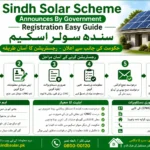
Free Solar System Phase-II is a government-led or publicly supported program (depending on your region) focused on:
- Delivering solar energy systems at zero cost to eligible households
- Reducing dependence on traditional electricity grids
- Promoting renewable energy adoption among low-income communities
- Lowering household energy expenses
This initiative reflects a broader push toward sustainability while addressing energy poverty.
Key Features of the Initiative
1. Large-Scale Impact
- Target: 275,000 households
- Focus: Underprivileged and energy-insecure communities
2. Zero-Cost Installation
- Solar systems are provided free of charge to qualifying beneficiaries
- Covers essential components such as panels, inverters, and basic setup
3. Clean and Reliable Energy
- Reduces reliance on fossil fuels
- Provides more stable electricity access in areas with frequent outages
4. Long-Term Cost Savings
- Eliminates or significantly reduces electricity bills
- Helps households reallocate income toward essential needs
Who Is Eligible?
Eligibility criteria may vary depending on the implementing authority, but typically include:
- Low-income or economically disadvantaged households
- Limited or no access to reliable electricity
- Residency in designated program areas
- Valid identification and household verification
Applicants are usually required to complete a verification process to ensure fair distribution.
Benefits of Free Solar Systems
Economic Benefits
- Reduced monthly energy expenses
- Protection against rising electricity tariffs
Environmental Benefits
- Lower carbon emissions
- Supports national renewable energy goals
Social Benefits
- Improved quality of life (lighting, fans, device charging)
- Enhanced productivity for home-based work or study
How to Apply for Free Solar System Phase-II
While the exact process depends on the program authority, it generally involves:
- Registration through an official portal or local office
- Submission of required documents (ID, proof of residence, income details)
- Verification and eligibility assessment
- Approval and installation scheduling
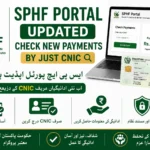
Applicants should rely only on official announcements and verified platforms to avoid scams.
Click And Apply Here
Why This Initiative Matters
Energy access is a fundamental driver of development. By targeting underprivileged households, Free Solar System Phase-II helps:
- Bridge the energy gap
- Promote inclusive growth
- Accelerate the transition to renewable energy
Programs like this are critical in regions where electricity shortages or high costs limit opportunities.
Frequently Asked Questions (FAQs)
1. Is the solar system really free?
Yes, the program is designed to provide solar systems at no cost to eligible households. However, always confirm through official sources.
2. What does the solar system include?
Typically, it includes solar panels, an inverter, wiring, and basic installation. Exact components may vary.
3. Who can apply for the program?
Primarily low-income or underprivileged households meeting the program’s eligibility criteria.
4. How will beneficiaries be selected?
Selection is usually based on income level, location, and verification of need.
5. Can urban households apply?
This depends on the program design. Some initiatives prioritize rural or off-grid areas, while others include urban low-income communities.
6. Is maintenance included?
Maintenance policies vary. Some programs offer limited support or warranties, while others may require users to manage upkeep.
7. How long does installation take?
Once approved, installation timelines depend on logistics and location but are typically scheduled in phases.
Final Thoughts
The Free Solar System Phase-II initiative represents a meaningful investment in both people and the planet. By equipping 275,000 underprivileged households with clean energy, it not only reduces financial burdens but also supports a more sustainable and equitable future.