Sindh government announces monthly Rs2,000 subsidy for motorcyclists amid rising petrol prices
In response to surging petrol prices and an ongoing energy crisis, the Sindh government has announced a monthly subsidy of Rs2,000 for registered motorcyclists across the province. This significant relief measure aims to alleviate the financial burden on daily commuters most affected by the recent escalation in fuel costs. The announcement, made by Chief Minister Murad Ali Shah, also includes substantial support packages for public transport operators and small farmers, forming a comprehensive strategy for targeted relief throughout the province.
The decision follows a series of steep increases in domestic fuel prices. A day earlier, the government further increased petrol prices by Rs137 per litre to a record-high of Rs458.4. This hike was significantly higher than the increase in the international market, largely attributed to the government’s decision to increase the petroleum levy to a record Rs160.61 per litre on petrol.
Understanding the Recent Increase in Petrol Prices
The recent price adjustments represent a significant escalation in fuel costs for consumers. This was the second major increase in less than a month, following an earlier hike where petrol and diesel prices were raised by Rs55 per litre. The cumulative increase in petrol prices within a month stands at 63%, while high-speed diesel prices have surged by 75%. These dramatic increases sparked widespread concern among commuters and business owners, prompting the need for a comprehensive government intervention.
Addressing a press conference in Karachi on a Friday, Sindh Chief Minister Murad Ali Shah emphasized the urgency of the situation. He stated the subsidy aims to ease the burden on daily commuters, acknowledging that petrol would not be available at lower rates at fuel stations. This context set the stage for detailing the specific mechanisms of the new relief package.
Targeted Subsidy Programme for Motorcyclists
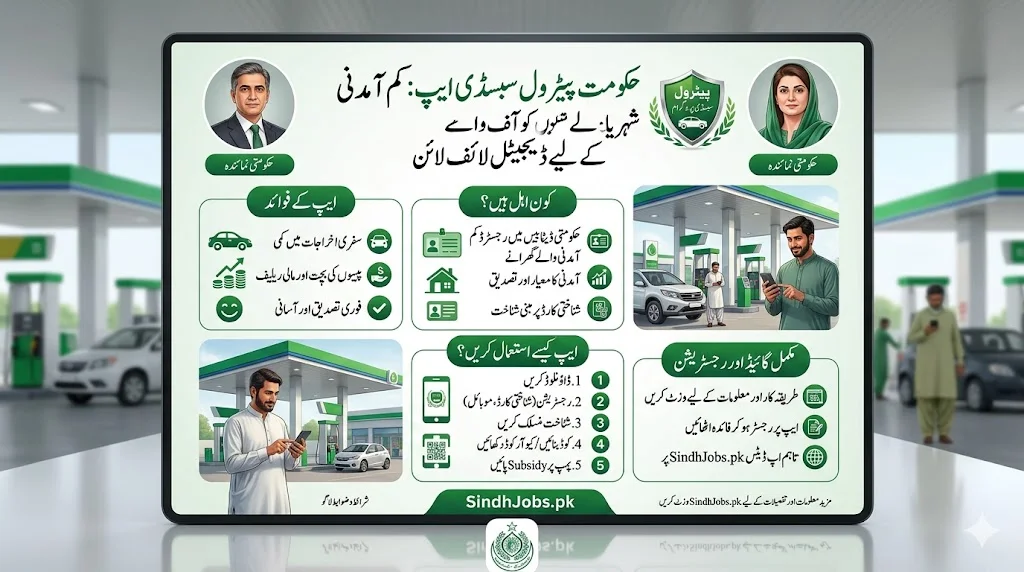
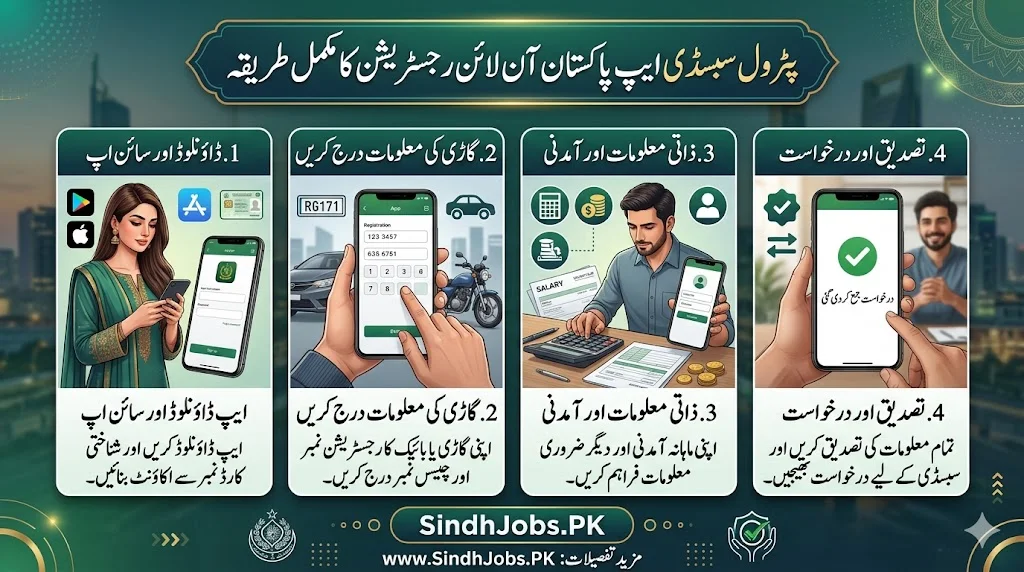
The core component of this relief package is the Rs2,000 monthly subsidy for motorcyclists. The program is designed to provide direct financial support to individuals who rely on motorcycles for daily commuting. CM Shah stated that the application process for the subsidy would be operational within two to three days, establishing a near-immediate timeline for implementation.
The subsidy will be linked directly to national identity cards (NICs) and registered motorcycles to ensure the Sindh government’s subsidy reaches its intended recipients. To streamline this process, the CM announced several measures, including free transfers for motorcycles. This initiative allows owners to register vehicles in their name without incurring additional fees. “A subsidy of Rs100 per litre will be provided,” the Chief Minister explained, adding that each registered motorcyclist would receive Rs2,000 directly per month. The first transfers are expected to be completed within 15 days of the program’s launch. CM Shah advised citizens to check their motorcycle registration status on the Excise Department’s official website.
Support for Public and Goods Transport Operators
Beyond individual motorcyclists, the Sindh government’s subsidy program extends to the transport sector. Public transport and goods transport operators will also receive substantial monthly subsidies ranging from Rs70,000 to Rs100,000. This measure is crucial for preventing a ripple effect of increased costs in logistics and passenger fares, which would further exacerbate inflation.
The Sindh government’s targeted relief programme includes other initiatives. For those seeking employment opportunities in the region, resources are often shared on platforms like SindhJobs.pk, which lists job openings regularly throughout the province. This highlights the ongoing need for economic stability and job creation alongside relief measures.
Agricultural Relief Measures for Small Farmers
In addition to the fuel price relief package, CM Shah also announced support measures aimed at small farmers in the province. These include a minimum wheat price of Rs3,500 per maund. Furthermore, a Rs1,500 per acre subsidy will be provided to farmers cultivating up to 2 million acres. This specific subsidy aims to offset losses caused by the rising diesel prices critical for agricultural machinery. Payments to farmers under this agricultural relief program are scheduled to begin on April 6.
Coordination and Implementation of the Relief Programme
The implementation of the subsidy requires coordination between provincial and federal governments. CM Murad Ali Shah highlighted that provincial leaders participated in a historic meeting chaired by President Asif Ali Zardari specifically to discuss energy imports and subsidy measures. He noted that while subsidies were initially extended broadly, guidance from the International Monetary Fund (IMF) advised targeting relief toward those most affected by rising fuel costs.
The final plan comprises four components, with two administered by the provinces and one by the federal government, although funding will ultimately be provided to the provinces. CM Shah also explained that the province would independently administer the program for a one-month trial period. The Chief Minister highlighted that Sindh has 6.7 million registered motorcycles, many of which are not registered in the actual owner’s name. He clarified that “We decided that Rs100 per motorcyclist will be provided as subsidy.”
Comparison with Punjab’s Public Transport Initiatives
In a similar move to provide relief, Punjab Chief Minister Maryam Nawaz announced that public transport across all cities in the province would be made free of charge. This decision means passengers will not be required to purchase tickets on services including the Orange Line Train, Metro Bus, Speedo Bus, and Green Electro Bus. In addition, the Punjab government announced direct financial support for the agriculture sector. Farmers in Punjab will receive a subsidy of Rs100 per litre of diesel per acre, and registered motorcyclists will also benefit from a subsidy of Rs100 on 20 litres of fuel for each registered bike owner.
FAQs about the Sindh Government Subsidy Programme
- Who is eligible for the Rs2,000 monthly subsidy?
The subsidy is intended for registered motorcyclists across Sindh. The application process will link the subsidy to individuals who can confirm their motorcycle registration and national identity card (NIC). - How will a registered motorcyclist apply for the subsidy?
According to CM Murad Ali Shah, the application process for the subsidy will be operational within a few days of the announcement. Individuals are advised to check their registration status on the Excise Department’s website. The subsidy will be provided directly to registered owners. - Are public transport operators included in the relief package?
Yes, public transport and goods transport operators operating in Sindh will receive monthly subsidies ranging from Rs70,000 to Rs100,000. - How much support is being offered to small farmers in Sindh?
Small farmers will receive a minimum wheat price of Rs3,500 per maund. Additionally, a subsidy of Rs1,500 per acre will be provided to farmers with up to 2 million acres. - What changes are being implemented to motorcycle registration?
The Sindh government has announced that motorcycle transfers will now be free of charge, making it easier for owners to register vehicles in their name and qualify for the subsidy. - How does this relief package compare to measures in Punjab?
Punjab’s government announced free public transport services (like Metro and Orange Line) and also offers a subsidy of Rs100 on 20 litres of fuel for motorcyclists and Rs100 per litre of diesel for farmers.
Conclusion
The Sindh government’s announcement of a Rs2,000 monthly subsidy for motorcyclists represents a focused effort to mitigate the immediate economic impact of rapidly rising fuel prices. The decision to implement a targeted relief programme, rather than a broad, non-specific subsidy, aligns with international guidance and aims to support those most vulnerable to price hikes. By including public transport operators and small farmers in the relief package, the government hopes to stabilize prices across various sectors while supporting essential economic activities. The success of this initiative will depend on the efficiency of its implementation and its ability to effectively reach registered beneficiaries in a timely manner, providing much-needed relief during a period of significant economic challenge.