A driver is an indispensable pivot in the machinery of modern society, ensuring the smooth flow of goods, services, and people across diverse landscapes. From bustling urban centers like Karachi to remote rural areas, drivers connect communities, invigorate economies, and facilitate daily life. Their roles extend beyond merely operating a vehicle; they are responsible for safety, efficiency, and often, the frontline representation of their organizations.
The Essential Role of a Driver in Modern Society
The profession of a driver underpins various sectors, making it one of the most vital occupations globally. In logistics, drivers are the backbone of supply chains, transporting raw materials, finished products, and essential commodities. Without their tireless efforts, shelves would be empty, factories idled, and services disrupted. This reliance highlights their critical contribution to economic stability and growth.
Beyond freight, drivers are integral to public transportation systems. Bus drivers, taxi drivers, and ride-share operators ensure millions commute to work, school, and leisure destinations daily. They provide crucial accessibility and mobility, especially for those without personal vehicles. The demand for skilled and reliable transportation services continues to amplify in rapidly expanding urban areas.
Skills and Responsibilities of a Professional Driver
Becoming a proficient driver demands a specific set of skills and a deep sense of responsibility. Foremost among these is road safety, which requires constant vigilance, adherence to traffic laws, and defensive driving techniques. Professional drivers often undergo rigorous training to master vehicle handling, emergency procedures, and navigating various road conditions. Their commitment to safety protects not only themselves but also passengers and other road users.
Furthermore, a professional driver must possess strong navigation skills, often utilizing GPS and mapping technologies to ensure timely and efficient deliveries or routes. Basic vehicle maintenance knowledge is also crucial, enabling them to perform routine checks and identify potential issues before they escalate. Punctuality, customer service, and effective communication skills are equally important, particularly for those interacting directly with clients or passengers, further enhancing their professional profile.
Career Opportunities for Drivers in Urban Centers like Karachi
The demand for skilled drivers remains consistently high, particularly in burgeoning metropolitan areas like Karachi, Pakistan’s largest city. The expansive economy of Karachi, with its major port, industrial zones, and dense population, creates a continuous need for reliable transportation services. This provides numerous professional avenues for individuals looking to build a career as a driver.
Opportunities range from commercial heavy vehicle operators in logistics companies to light vehicle drivers for corporate fleets, private households, and ride-hailing services. The burgeoning e-commerce sector in cities like Karachi also significantly contributes to the demand for delivery drivers. Many organizations actively seek competent individuals to fill these essential roles, recognizing the critical importance of secure and timely transport.
Navigating Driver Job Applications: A Karachi Example
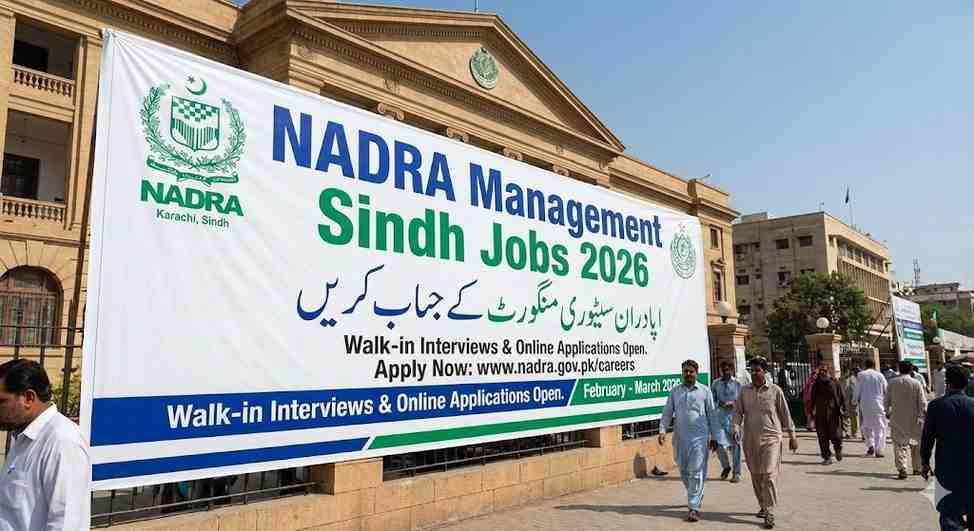
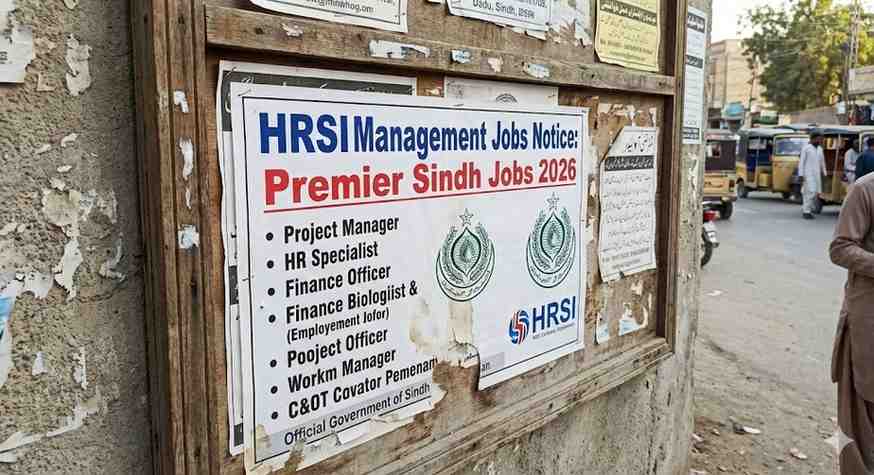
For those interested in pursuing a driver role in Karachi, understanding the application process is key. Job seekers proactively search platforms like SindhJobs.pk for the latest openings in the region. Many reputable organizations advertise their vacancies through these channels and directly on their websites or social media. A common method of application involves submitting a well-structured CV.
For example, a prospective candidate for a driver position might come across an advertisement specifying “Send your CV: hr@alkhidmat.com.” This indicates a direct application path where a detailed resume outlining driving experience, licenses, and any relevant certifications should be sent. It’s crucial for applicants to adhere to specified deadlines, such as “Apply before: 30th April 2026,” to ensure their application is considered. Timely submission demonstrates professionalism and keen interest in the role.
Training and Licensing for Aspiring Drivers
Proper training and valid licensing are non-negotiable for any aspiring driver. In Pakistan, and specifically in Karachi, obtaining a valid driving license from the relevant traffic authorities is a mandatory legal requirement. This process typically involves theoretical tests on road rules and practical driving assessments to evaluate a candidate’s road competency. Investing in professional driving schools can significantly enhance skills and improve chances of passing these tests.
Specialized licenses are often required for operating commercial vehicles, heavy transport, or passenger vehicles, beyond a standard private car license. Employers frequently prioritize candidates who possess these advanced licenses and have a clean driving record, underscoring the importance of continuous skill development and adherence to regulations. This ensures that every driver is well-equipped to handle the responsibilities that come with operating various types of vehicles safely and efficiently.
The Future of the Driving Profession
The evolution of technology is steadily reshaping the landscape for the driver profession. Discussions around electric vehicles (EVs) and autonomous driving systems are becoming more prevalent. While some predict a decline in the need for human drivers due to automation, the reality is likely a shift in roles. Human drivers will continue to be essential in complex urban environments, last-mile deliveries, and situations requiring nuanced decision-making, empathy, and problem-solving skills that autonomous systems currently lack.
Furthermore, the growth of logistics and transport demands, coupled with the increasing complexity of supply chains, suggests a continued need for highly competent human oversight and intervention. The driver of the future may find themselves operating increasingly sophisticated vehicles, utilizing advanced navigation and safety systems, and focusing more on logistical coordination and critical human interaction rather than just steering. The profession will adapt, but its core importance will remain.
FAQs
1. What are the key qualifications needed to become a professional driver in Karachi?
Key qualifications typically include a valid driving license specific to the vehicle type (e.g., LTV for light transport, HTV for heavy transport), a clean driving record, and often several years of verifiable driving experience. Some professional roles may also require specific training certifications.
2. How can I find driver job opportunities in Karachi?
Driver job opportunities in Karachi can be found through various channels, including online job portals like SindhJobs.pk, newspaper advertisements, and directly on company websites. Networking within the transport industry can also be beneficial.
3. What is the typical application process for a driver position?
The typical application process involves submitting your updated CV and cover letter (if required) to the employer, often via email (e.g., hr@alkhidmat.com). This is usually followed by an interview, a practical driving test, and background checks.
4. Are there specific deadlines for driver job applications in Karachi?
Yes, many job advertisements include specific deadlines to “Apply before” a certain date, for example, “30th April 2026.” It is crucial to submit your application well in advance of these deadlines to ensure it is considered.
5. What is the average salary expectation for a driver in Karachi?
The salary for a driver in Karachi varies significantly based on factors such as experience, type of vehicle driven (light vs. heavy), industry, and company. It can range from entry-level wages to more competitive salaries for heavy transport or specialized drivers.
6. What are the future prospects for the driving profession in Pakistan?
The future prospects for drivers in Pakistan remain strong due to continuous economic growth, expanding logistics networks, and increased demand for transport services. While technology will evolve, the fundamental need for human drivers, particularly in complex scenarios, will persist.
7. Do I need special training to become a commercial driver?
Yes, to become a commercial driver (e.g., for buses, trucks, or hazardous materials), you will generally need specialized training beyond a standard private vehicle license. This training covers specific vehicle operation, safety protocols, and commercial driving regulations.
Conclusion
The driver profession is a cornerstone of global commerce and daily life, particularly within dynamic urban centers like Karachi. From enabling seamless logistics to facilitating public transit, drivers perform an essential service that impacts every facet of society. As technology advances, the role may evolve, but the core need for skilled, responsible individuals behind the wheel remains steadfast. Opportunities continue to be abundant for those with the right skills, training, and a commitment to safety, ensuring that the critical function of transportation will always be in capable hands.